Monday, 16 November 2026

Japan First-Timer Culture Shocks: 19 Things to Know

Last updated: 16 November 2026

By The Gilbert Experience

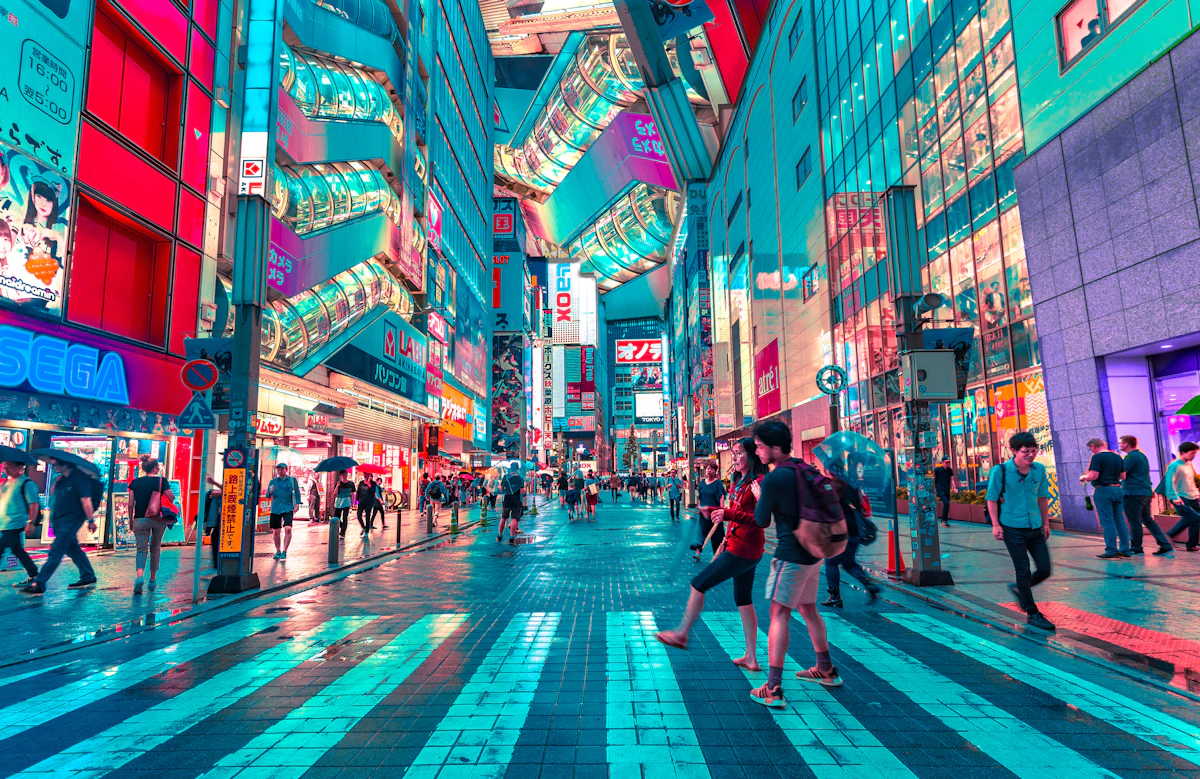
Busy street in Tokyo, Japan, with pedestrians and cars

Photo: 卓浩 虞 / Pexels — a busy Tokyo street.

A 19-slide Instagram carousel posted on 11 November has 16,000 likes and nearly 300 comments. Travel creator Kacie Rose (@kacierose_) lists the things about Japan that "changed her brain chemistry": streets with no bins and no litter, hotel pyjamas waiting on the bed, a toilet with more buttons than a TV remote, and a train company that held a connecting service so she would not miss it. I fly to Japan on 20 November, so I checked each of her observations against real prices and official sources before I go — and before you do.

The short version: almost everything in the reel is real, but a few claims need a footnote, and one — the "foreigner cover charge" — is more complicated than it looks.

All yen-to-pound conversions use £1 = ¥211, the GBP/JPY rate on 16 November 2026 (yfinance, via OpenBB).

Quick facts

What the reel saysWhat I found (16 Nov 2026)Verdict
Streets are spotless, but there are almost no binsBins were largely removed after the 1995 Tokyo subway sarin attack; people carry rubbish homeTrue
Subway bathrooms are spotlessA common first impression; Japan's public toilets are famously well keptTrue as an observation
Hotels provide pyjamasStandard at business hotels (Toyoko Inn, APA, Sotetsu)True — but they are hotel linen, not a souvenir
You can rent power banks and umbrellasChargeSPOT from ¥165 (78p) for 30 minutes; iKasa umbrellas ¥210 (about £1) a dayTrue, and cheap
Luggage can be sent between hotelsYamato takkyubin, ¥3,160 (about £15) Tokyo–Kyoto for a large caseTrue — send it the day before
Long hours and nomikai drinkingReal, though the pressure varies hugely by workplaceTrue, with nuance
Trains are silent and orderlyQuiet carriages are the norm; phone calls are frowned uponTrue
Staff held a connecting train for herHer own story, Kyoto to TakayamaTrue for her — do not plan around it
Priority seats stay empty even when crowdedStrong social norm, not a lawTrue as etiquette
Some venues charge foreigners a cover feeSmall bars charge everyone ¥500–¥1,500; some refuse non-Japanese speakersNeeds a footnote — see below
Dedicated bicycle parking everywhereChurinjo lots are the rule; bikes left on the street get removed (¥3,500 in Kyoto)True
Restaurants hand you a hot towelOshibori, free, at almost every sit-down mealTrue
Dressing rooms have face covers, no-shoes rulesStandard in Japanese clothing shopsTrue
High-tech bidets everywhereAbout 80% of Japanese households have a washlet (government survey, 2021)True — and the number is official

The clean paradox: no bins, no litter

The first shock hits before you have left the station. Japan's streets are famously clean, yet you will walk for blocks without seeing a public bin. The reason is one the reel does not mention: after the Aum Shinrikyo cult's sarin attack on the Tokyo subway on 20 March 1995, which killed 14 people, bins began to be removed from stations and public spaces as a security measure — and most never came back. Cost and strict household waste sorting kept them away.

The practical rule is simple: carry a small plastic bag and take your rubbish with you. Convenience stores have bins for their own packaging, stations have some, and the bins beside vending machines take cans and bottles only. Shibuya Ward started issuing on-the-spot littering fines of ¥2,000 (about £9.50) on 1 June 2026.

The other half of the paradox is the toilet. TOTO launched the Washlet in June 1980, and by 2021, 80.3% of Japanese households of two or more people had an electronic bidet seat, according to the government survey TOTO cites. Heated seat, warm-water wash, air dryer, auto-open lid — after a week of it, a British bathroom feels like a downgrade.

The trains run on a different clock

Japanese trains are quiet in a way that takes a day to get used to. Phone calls are frowned upon, conversations stay low, and the carriage hums rather than chatters. The punctuality is measurable: the Tokaido Shinkansen averaged 1.4 minutes of delay per train in the year to March 2025, including delays caused by typhoons and earthquakes, according to JR Central's own annual report.

But the reputation needs one correction. Tokyo commuter lines are not late-free: the transport ministry's data shows the average Tokyo-area line issued a delay certificate on 10 out of 20 weekday mornings during the 7:00–10:00 rush hour in the same year. The difference is what happens when a train is late. From a delay of about five minutes, stations issue a chien shoumeisho — a delay certificate you can show your employer or school. Tokyo Metro stopped handing out paper slips on 1 April 2026; you screenshot the official delay page instead. The creator's story about staff holding her Kyoto–Takayama connection is the human version of the same instinct: lateness is treated as a broken promise, not an inconvenience.

One more carriage rule: the priority seats near the doors are for elderly, pregnant and disabled passengers, and are often left empty even on a packed train. Sitting in one is not illegal, but on a crowded service it reads as a statement about you.

Your hotel thinks of everything

Check into a Japanese business hotel and the room does half your packing for you. A folded set of pyjamas or a yukata is usually in the room or available at the front desk — Toyoko Inn, APA and Sotetsu Fresa Inn all provide them as standard. They are clean hotel linen, not a free gift: leave them in the room at checkout.

The same anticipatory logic runs through the rest of the stay. Restaurants hand you a hot or cold towel, oshibori, before you order — it is for your hands, not the table. Clothing shops provide disposable face covers in the fitting room so your make-up does not mark the clothes, and you take your shoes off where the floor changes. None of it is explained; all of it is expected. Watch what the person next to you does, and copy them.

Luggage, chargers and umbrellas: the rental economy

The most useful shock in the reel is the one that saves your shoulders. Takkyubin is Japan's luggage-forwarding system, run mostly by Yamato Transport (the black-cat logo). Hand your suitcase to the front desk or a convenience store and it arrives at your next hotel — usually the next day, for about ¥3,160 (roughly £15) for a large case between Tokyo and Kyoto. The catch the reel skips: hotel-to-hotel delivery is typically next-day, so send your bag the day before check-in. The two-day rule applies when you send a bag to an airport — Yamato asks for at least two days before your flight. Same-day delivery exists only on narrow routes, such as Haneda Airport to central Tokyo hotels (¥5,780, about £27.39, dropped off by 11:00).

The same rent-don't-carry logic covers the small things. ChargeSPOT power banks sit in stations and convenience stores — over 62,000 stands nationwide — and cost ¥165 (78p) for under 30 minutes or ¥640 (about £3) for up to 24 hours, returned to any stand. Umbrella sharing (iKasa) works the same way: about ¥210 (about £1) for a full day, picked up at a station and returned at another. And if you rent a bicycle, park it only in a designated churinjo lot: bikes left on the street are removed, and getting one back costs ¥3,500 (about £16.60) in Kyoto.

Eating and drinking: no tipping, but read the bill

Two money shocks, in opposite directions. First, there is no tipping in Japan. None. A tip will usually cause polite confusion, and in some places staff will chase you down the street to return it. The price on the menu is the price, and service is part of it.

Second, small bars charge a cover fee — sekiryo or chaji — typically ¥500–¥1,500 (£2.40–£7.10) per person, sometimes served as a small dish called otoshi that arrives unasked. This is where the reel's "foreigner cover charge" needs its footnote. The cover applies to everyone, not just visitors; what some travellers experience is a venue that refuses non-Japanese speakers, or a bill inflated by a tourist-targeting bar. Check the price board outside before you sit down, and ask "chaji wa arimasu ka?" — is there a cover charge? — if it is not displayed.

Then there is nomikai, the after-work drinking session the reel mentions alongside Japan's long-hours culture. It is real, and for office workers it can be closer to an obligation than a night out. For a visitor, the useful version is simpler: an izakaya after 6pm is where Japan relaxes, and a solo traveller at the counter is completely normal.

A first day in Japan, priced in pounds

Put the reel's services together for one day in Tokyo, at £1 = ¥211:

ItemYenPounds
Send your case ahead to Kyoto (takkyubin, size 160)¥3,160£14.98
ChargeSPOT power bank, up to 24 hours¥640£3.03
iKasa umbrella for a rainy day¥210£1.00
Cover charge at a small bar, one drink¥500–¥1,500£2.37–£7.11
Littering fine in Shibuya, if you drop rubbish¥2,000£9.48

Total for the three rental services: about £19. The whole point of the reel is that Japan sells you convenience in small, cheap slices — and the most expensive item on the list is the fine for ignoring the rules.

Common mistakes first-timers make

  • Tipping. Do not do it. The one exception is a high-end ryokan or a private guide, and even there it is unusual.
  • Sitting in a priority seat with a bag on the next one. Both will be noticed.
  • Talking on the phone in the train. Step onto the platform, or text instead.
  • Expecting a bin. Pack a small bag for rubbish on day one, not day three.
  • Sending luggage the morning you move hotels. Takkyubin hotel-to-hotel delivery is typically next-day, so send it the day before you move, not the morning of — or carry it.
  • Assuming the cover charge is a scam. It is a standard seat fee. The scam version is a bar with no prices displayed at all — walk out of those.
  • Taking the hotel pyjamas home. They are laundered hotel linen.

FAQ

Q: Do I need to tip in Japan?

A: No. Tipping is not part of Japanese service culture and will usually confuse staff. Prices include service.

Q: How do I send luggage between hotels in Japan?

A: Use takkyubin (Yamato Transport, the black-cat logo) from your hotel front desk or a convenience store. A large case costs about ¥3,160 (£15) between Tokyo and Kyoto, and Yamato delivers to a hotel typically the next day, so send it the day before check-in.

Q: What is a train delay certificate?

A: A chien shoumeisho is a free slip (or web page) from the railway proving your line ran late, usually issued from about five minutes of delay. Commuters show it to employers. Tokyo Metro went web-only on 1 April 2026.

Q: What is the cover charge at Japanese bars?

A: A seat fee of roughly ¥500–¥1,500 (£2.40–£7.10) per person at small bars and izakaya, sometimes served as a small dish (otoshi). It applies to everyone; always check the price board before sitting down.

Q: Can I rent a power bank or umbrella in Japan?

A: Yes. ChargeSPOT power banks cost from ¥165 (78p) for 30 minutes at stations and convenience stores, and iKasa umbrella rental is about ¥210 (£1) a day in Tokyo and Osaka. Both are returned to any stand.

Q: Are Japanese trains really never late?

A: Almost never, on the Shinkansen — 1.4 minutes average delay per train in the year to March 2025. Tokyo commuter lines are late more often, but delays are usually under 10 minutes and come with a certificate.

Sources

  • The reel: @kacierose_, Instagram, 11 Nov 2026 — instagram.com/p/DfnCt_rlkEM/
  • JR Central Annual Report 2025 (Tokaido Shinkansen average delay) and MLIT Tokyo-area delay data, FY2024
  • TOTO / Japanese government household survey (washlet adoption, 80.3% in 2021)
  • Yamato Transport TA-Q-BIN fares via Self Guide Japan and Explore Japan Daily (Oct 2026)
  • ChargeSPOT terms of use (revised 6 Aug 2026) via Sumimasen Guide; iKasa app listing (Oct 2026)
  • Golden Gai cover-charge guides (Nightstyle, Nomu Tokyo); Japan Nakama etiquette guide

Engagement figures are rough signals from scrape time, not audited data. Prices were checked on 16 November 2026 and change — confirm on the operator's own page before you travel.

Monday, 9 November 2026

100 Bowls of Ramen in Japan vs UK: The Maths Checked

Last updated: 9 November 2026

Bowl of traditional Japanese ramen with boiled egg, scallions and narutomaki, served with chopsticks

Photo: Matheus Bertelli / Pexels

A reel with 36,354 likes is doing the rounds on Instagram this week. Holiday Pirates' "travel math" joke goes like this: a bowl of ramen costs £15 in the UK and £5 in Japan. Return flights cost £502. So 100 bowls in Japan cost £500, plus £502 for the flight — £1,002 all in — against £1,500 for the same 100 bowls at home. You "save" £498 by flying to Tokyo to eat noodles.

It is a joke, and it is funny. But the numbers in it are specific enough that people are now repeating them as facts — and the comments are already arguing about the £502 flight. So I checked all three numbers: the £15 bowl, the £5 bowl, and the £502 flight, plus the "10 nights from £683" stay the caption mentions. I fly to Japan on 20 November, and I will be in Fukuoka — where Ichiran started — from 24 November, so these are prices I will be testing with my own wallet within weeks.

The short version: the ramen prices are real, the flight price is real but conditional, and the £498 saving is not. Here is the evidence.

Quick facts

Claim in the reelWhat I found (9 Nov 2026)Verdict
Ramen £15 a bowl in LondonStandard bowls £12.95–£17 eating in (Shoryu £14.90, Kanada-Ya £16.60)Fair — £15 is the middle of the real range
Ramen £5 a bowl in JapanIchiran Tokyo ¥1,180 = £5.57; neighbourhood shops ¥800–¥900 (£3.77–£4.25)Roughly right — slightly low for central Tokyo
Return flights £502Cheapest returns £453–£555 on one-stop Chinese carriers; non-stop from £707; average return £1,291Real as a "from" price, not the typical fare
10 nights £683ppPlausible as a hotel-only figure for two sharing; the live package with flights is £889ppPlausible, but the reel names no hotel or dates
"Saves" £498Only if you ignore the hotel, transport, other meals and time offThe saving disappears once the hotel is counted

The reel's maths, worked

The arithmetic in the reel is correct:

  • 100 bowls in London: 100 × £15 = £1,500
  • 100 bowls in Japan: 100 × £5 = £500
  • Plus the flight: £500 + £502 = £1,002
  • "Saving": £1,500 − £1,002 = £498

Nothing wrong with the sums. The problem is what the sums leave out: somewhere to sleep for 10 nights, getting to and from the airports, every meal that is not ramen, and the small matter of eating ten bowls of ramen a day. A joke does not have to include those. A budget does.

Claim 1: is ramen really £15 a bowl in London?

Yes — £15 is a fair typical figure. London Travel Geek's October 2026 round-up of London ramen menus puts a standard bowl at £12.95 at Koi Ramen Bar, £14.90 for Shoryu's Origin Tonkotsu, £14.95 at Hakata Ramen + Bar, £15.95 at Tonkotsu and £16.60 for Kanada-Ya's Origin Tonkotsu. Shoryu's own Carnaby menu lists the Origin Tonkotsu at £14.90.

So the reel's £15 sits almost exactly in the middle of the real range. Two caveats: that is the eat-in price — the same bowls cost more on delivery (Shoryu's Ganso Tonkotsu is £16.90 on Deliveroo) — and a bowl with extras, a side and a drink will push a London ramen meal well past £20. But for a plain bowl, eaten in, £15 is honest.

Claim 2: is ramen really £5 a bowl in Japan?

Roughly — and the real figure is slightly higher than the reel says. The benchmark bowl is Ichiran's classic tonkotsu: ¥1,180 at its Tokyo shops since the price revision of 1 July 2026. At ¥212 to the pound (the rate used throughout this article), that is £5.57. The ¥980 figure you still see quoted everywhere is now the Kyushu price — the original Nanokawa shop in Fukuoka still lists it, which at today's rate is £4.62.

Away from the famous chains, a neighbourhood bowl is cheaper: ¥800–¥900 (£3.77–£4.25), and a standard central-Tokyo bowl runs ¥1,000–¥1,350 (£4.72–£6.37). Add an egg (¥160) and a noodle refill (¥210) at Ichiran and the standard order lands at ¥1,550, or £7.31.

So £5 is a reasonable round number for a bowl in Japan, and the price gap with London is real: roughly a third of the London price. The reel is not inventing the gap. It is rounding it in Japan's favour by about 50p a bowl.

Claim 3: can you fly London to Tokyo return for £502?

Yes — on specific dates, on specific airlines, and this is where the commenters arguing under the reel are half-right. The cheapest London–Tokyo returns I could verify on 9 November 2026:

FareAirline / routeSource, checked 9 Nov 2026
£453 returnXiamen Airlines, 25 Nov–1 DecTrip.com
£465–£481 returnXiamenAir, late Nov–early DecFlyCheaply
£555 returnShenzhen Airlines, 20 Nov–5 DecCheapflights (cheapest found in 5 days)
£476 returnCheapest within past 7 daysExpedia
From £707 returnBritish Airways, non-stopFlyCheaply deal listing
£1,291Average return, departures in next 30 daysTrip.com

So £502 is a genuine "from" price. But read the conditions: the sub-£500 fares are one-stop flights via China. XiamenAir's connection is a civilised 1 hour 30 minutes in Xiamen; the Shenzhen Airlines and China Southern options in December to March carry 14- to 20-hour layovers. A non-stop return starts at about £707 on the cheapest dates, and the average return fare for the next 30 days is £1,291 — more than two and a half times the reel's figure.

In other words: £502 exists, and if your dates are flexible and you do not mind a stop in China, you can fly for it. If you want a non-stop flight on the dates you actually want, budget roughly double.

Claim 4: 10 nights in Tokyo for £683?

The caption says "stay 10 nights from £683pp" — and, unlike the flight, the reel gives no hotel, no dates and no link; you have to comment "INFO" for the details. That means the £683 figure cannot be traced to a specific bookable deal. What I can do is check it against real December Tokyo hotel prices.

Tokyo business hotels averaged ¥17,336 a room a night in December 2026 (about £82), and city hotels ¥29,036 (about £137), according to HotelBank/MetroEngines data. £683 per person for 10 nights is £68.30 a night per person — for two sharing a room, £136.60 a room a night, which matches the city-hotel average almost exactly. A business hotel for two sharing would be closer to £410 per person for 10 nights.

So £683 is plausible as a hotel-only price for a mid-range Tokyo stay for two sharing. It is not, on the evidence available, a price that includes the flights. Holiday Pirates' own live Tokyo deal, published 3 November, is 10 nights at the HOTEL TAVINOS Hamamatsucho with flights, luggage and the stay included for £889 per person, based on two sharing, with more dates under £1,000. That is the checkable package price — and it is higher than the reel's £683, because it includes the flights the reel prices separately.

The honest total

Now redo the reel's maths with the verified prices, and then add the hotel the reel forgot.

The ramen, repriced:

  • 100 bowls in London at Shoryu's £14.90: £1,490
  • 100 bowls at Ichiran Tokyo at £5.57: £557
  • Plus the £502 flight: £557 + £502 = £1,059
  • Ramen-plus-flights "saving": £1,490 − £1,059 = £431

The gap survives repricing. Ramen really is about a third of the London price in Tokyo, and that is a real saving on the food itself.

The trip, honestly costed:

  • Flight: £502
  • Hotel (the reel's £683): £683
  • 100 bowls of ramen: £557
  • Total before anything else: £1,742

That is £252 more than the £1,490 for the same 100 bowls in London — before airport transfers, any meal that is not ramen, transport around Tokyo, travel insurance and ten days off work. The £498 "saving" only exists if the hotel is free.

And then there is the eating. One hundred bowls in ten nights is ten bowls a day, every day, for ten days. Nobody eats like that on holiday. A realistic ramen habit is one bowl a day: ten bowls over ten nights costs £55.70 in Tokyo against £149.00 in London, a saving of £93.30 — which the £502 flight alone wipes out five times over.

Ramen is a reason to enjoy Japan. It is not a reason to fly to Japan to save money.

Common mistakes

  1. Treating a "from" price as the price. £502 is the cheapest return on the cheapest dates with a stop. The average return is £1,291 and a non-stop starts around £707. Always check the fare for your dates.
  2. Comparing a joke's maths to a real budget. The reel's sums are correct and its conclusion is not, because the hotel, transport and every non-ramen meal are missing from the equation.
  3. Forgetting the "per person, based on two sharing" basis. The £683 stay — and the £889 package — assume two people sharing a room. Solo travellers pay more per person.
  4. Using the old ¥980 Ichiran price. It is now the Kyushu price. Tokyo shops charge ¥1,180 since July 2026. If your budget still says ¥980, it is a year out of date.
  5. Booking the cheapest flight without reading the layover. A 14- to 20-hour stop in Shenzhen or Beijing is a very different trip from a 90-minute connection in Xiamen. The fare is only half the story.
  6. Assuming the deal will still be there. Flight and hotel prices move daily and the cheapest fares sell out. Every price in this article is as checked on 9 November 2026.

Japan ramen vs UK FAQ

Q: Is ramen really £15 a bowl in London?

A: Yes, as a typical eat-in price. Standard bowls run £12.95–£17 in central London (Shoryu £14.90, Kanada-Ya £16.60, Koi £12.95), so £15 is the middle of the real range. Delivery costs more, and sides and drinks push a meal past £20.

Q: How much is a bowl of ramen in Japan in 2026?

A: About £5–£6 in Tokyo. Ichiran's classic tonkotsu is ¥1,180 (£5.57) at Tokyo shops since July 2026; neighbourhood shops are ¥800–¥900 (£3.77–£4.25) and standard central-Tokyo bowls ¥1,000–¥1,350 (£4.72–£6.37). The old ¥980 figure is now the Kyushu price only.

Q: Can you fly London to Tokyo return for £502?

A: Yes, on the cheapest dates with a one-stop Chinese carrier — fares from £453–£555 were verifiable on 9 November 2026. But the average return is £1,291 and a non-stop return starts at about £707, so most travellers will pay considerably more than £502.

Q: What does 10 nights in Tokyo actually cost?

A: The reel's £683 per person is plausible as a hotel-only price for two sharing a mid-range hotel. The checkable package price is higher: Holiday Pirates' live deal is 10 nights with flights, luggage and stay included for £889 per person, based on two sharing. A business hotel for two sharing would be closer to £410 per person for the stay alone.

Q: Does eating ramen in Japan actually save money?

A: On the ramen itself, yes — 100 bowls cost £557 in Tokyo against £1,490 in London. But once you add the £502 flight and the £683 hotel, the same 100 bowls cost £1,742 as a trip, more than eating them at home. At a realistic one bowl a day, you save £93.30 on ramen over ten days — and spend £502 getting there.

Q: What did the viral reel get wrong?

A: Very little on prices and everything on the conclusion. The £15 and £5 bowls are real, and £502 flights exist. What is wrong is the "saving": it counts the flight but not the hotel, and it assumes you eat ten bowls of ramen a day. It is a joke — just not a budget.

The bottom line

The reel's three numbers mostly check out: London ramen is about £15 a bowl, Tokyo ramen is about £5 a bowl, and £502 return flights to Tokyo exist on the cheapest dates. The £683 stay is plausible for a mid-range hotel for two sharing. What does not check out is the punchline. Add the hotel back in and the £498 saving becomes a £252 loss — before transport, other meals and insurance. Fly to Japan for the ramen, the temples, the jazz and the autumn leaves. Do not fly there to save money on noodles.


Prices checked 9 November 2026 and move daily — the cheapest fares sell out, and hotel rates change with demand. FX: ¥212 per £1 (yfinance via OpenBB, 9 November 2026). Sources: London Travel Geek; Shoryu; Honto Japan (Ichiran official shop pages); City Break Geek; Japan Ramen Guide; Trip.com; Cheapflights; Expedia; FlyCheaply; Holiday Pirates; HotelBank/MetroEngines. The reel is @holidaypirates, posted 2 November 2026 (36,354 likes, 1,390 comments). This article checks the reel's claims; it is not affiliated with Holiday Pirates and does not reproduce their deal.

Monday, 2 November 2026

Japan Tax Refund Fees: Which Shops Keep a Cut?

Japan Tax Refund Fees: Which Shops Keep a Cut?

Japan Tax Refund Fees: Which Shops Keep a Cut?

Last updated: 2 November 2026

A busy shopping street in Tokyo, Japan

Photo: Unsplash (free stock).

Japan's new tax-refund system went live on 1 November 2026, and within a day social media was full of a new question: not how to claim the refund, but how much of it you actually keep. One widely shared post ranked 20 stores by their handling fee. It is tempting to copy that table. I checked — and as of today, a verified 20-store ranking does not exist. Most shops have not published a fee rate at all. This article gives you what can actually be verified on 2 November 2026, what is only reported, and the one question to ask at every till.

If you need the full how-it-works walkthrough — the airport kiosk, the passport scan, the 90-day window — see my earlier guide, "Japan Tax-Free Shopping New Rules (November 2026)". This article is the missing chapter: the fees.

Quick facts

DetailAnswer
SystemRefund method live from 1 November 2026: pay the tax-included price, claim back after customs confirms the goods leave Japan
Minimum spend¥5,000 before tax, per store, per day — unchanged
Export window90 days from purchase (day after purchase counts as day 1)
Government feeNone. The government charges nothing and does not set the fee
Who sets the feeEach shop and its refund operator — so it varies by shop
Confirmed freeDon Quijote group stores (except airport cash)
Confirmed but unpricedDepartment stores deduct a fee; no new rate published yet
Airport cash costCash Japan deducts 10% of the refund amount
FX used below¥212 per £1 (yfinance via OpenBB, daily close 2 November 2026)

The one fact that changes everything

Under Japan's consumption-tax law, there is no national rule on who pays the refund operator's fee — the traveller or the shop. The Japan Tourism Agency's own FAQ for tax-free shops leaves that question to each shop and the operator it contracts with, and the government itself takes nothing.

That single gap explains the whole fee landscape. The same purchase can come back in full at one shop and with a deduction at another, and neither outcome is a mistake. It also means any article claiming a complete, exact fee table for November 2026 is getting ahead of the evidence: as of 2 November, the shops that have announced anything have mostly announced that they charge a fee, not how much.

Caveat, stated up front: this is an official plan still being rolled out, and shops are still announcing their rules after 1 November. Fees and offers below may be refined or withdrawn — Don Quijote's own announcement says its free offer may change or end without notice. Check at the till on the day you buy.

What is verified, what is reported, what is unknown

Confirmed free: Don Quijote

Pan Pacific International Holdings (PPIH), which runs Don Quijote, announced on 5 October 2026 that refund applications at its group stores nationwide would be free of charge from 1 November. That is the clearest fee statement any major chain has made. There is one exception: if you take the refund as cash at the airport, the cash operator's own fee still applies. Free at Don Quijote means free through Don Quijote's own refund route — not free through every payout method.

Confirmed fee, unpublished rate: department stores

Takashimaya, Isetan Mitsukoshi and Hankyu Hanshin have all said a system or processing fee is deducted. None of them has published a new rate for the post-1-November system. If you see "1.55%" on a department-store page, be careful: that was the old system's handling fee, charged at the old in-store tax-free counters. Hankyu has said explicitly that its rate changes from 1 November. Do not carry the old 1.55% forward as the new rate — it is not.

Reported, not confirmed: Global Blue and Bic Camera

Global Blue, the refund operator behind several department stores and Yodobashi Camera, charged about 1.55% of the tax-free amount under the old system. A Nikkei report (via Newswitch, April 2026) said it would switch to deducting a fee of up to about 3% when refunds are paid at departure. The report did not say what the 3% is calculated on — the purchase price, the tax amount, or something else — so treat "up to 3%" as a reported figure with an unclear base, not a confirmed rate you can budget from.

Bic Camera is reported (via J-TaxRefund, in media coverage) as free — the shop pays the fee — but that is not stated on Bic Camera's own site. I am labelling it "reported" for exactly that reason.

Confirmed: airport cash costs extra

Cash Japan, which pays cash refunds at six airports from 1 November 2026, deducts 10% of the refund amount under its terms. Note what that 10% applies to: the refund, not the price. On a ¥1,000 refund, the fee is ¥100 — roughly 1% of the ¥11,000 purchase price. A second operator, JPrefund, gives 0.1–0.5% of the refund as a guide to its remittance fee.

Not yet published: almost everyone else

Matsumoto Kiyoshi, Cocokara Fine, Sundrug, UNIQLO, GU, MUJI, Daimaru Matsuzakaya, Kintetsu, Seibu Sogo, outlet malls and AEON are among the chains whose post-1-November fee position had not been published on the shops' own sites as of the checks behind this article. "Not published" does not mean "charges a fee" and does not mean "free". It means unknown — ask at the till.

Shop / operatorFee from 1 Nov 2026Status
Don Quijote (PPIH group)None on its own refund route; airport cash extraConfirmed (PPIH announcement, 5 Oct 2026)
TakashimayaA system handling fee; rate not publishedConfirmed fee, unpriced
Isetan MitsukoshiA processing fee; rate not publishedConfirmed fee, unpriced
Hankyu Hanshin (Global Blue)Global Blue system fee; old 1.55% no longer appliesConfirmed fee, unpriced
Bic Camera (J-TaxRefund)Reported free (shop pays)Reported only — not on Bic's own site
Yodobashi Camera (Global Blue)Not stated; cash on the spot at 11 stores with a registered cardOfficial position stated, no rate
Cash Japan (airport cash)10% of the refund amountConfirmed (operator terms)
JPrefund0.1–0.5% of the refund (guide)Operator guide
UNIQLO, GU, MUJI, Matsumoto Kiyoshi, drugstore chains, outlet malls, AEONNot publishedUnknown — ask at the till

Worked examples in pounds

All conversions use ¥212 per £1 (yfinance via OpenBB, daily close 2 November 2026). The key arithmetic: at the 10% rate, the tax inside a tax-included price is one-eleventh of that price. A ¥11,000 price tag holds ¥1,000 of tax; that ¥1,000 is the maximum refund before any fee.

Example 1 — ¥11,000 of cosmetics at Don Quijote. You pay ¥11,000 (about £51.89). The refund is the full ¥1,000 (about £4.72), because Don Quijote charges no fee on its own route. Take it as airport cash through Cash Japan and ¥100 (about £0.47) comes off, leaving ¥900 (about £4.25).

Example 2 — ¥55,000 camera. You pay ¥55,000 (about £259.43). The tax inside is ¥5,000 (about £23.58). At a shop that charges nothing, you get ¥5,000 back. At a shop whose operator deducts a fee from that ¥5,000, the refund is smaller — and until that shop publishes its rate, nobody can tell you by how much.

Example 3 — the fee-base trap. A "10% fee" and a "3% fee" are not comparable until you know the base. Cash Japan's 10% is 10% of the refund (about 0.9% of the price). A hypothetical 3% of the purchase price would be roughly three times larger. Whenever a shop or operator quotes a percentage, ask: percent of what — the price, or the refund?

What the first day actually looked like

Day-one reports from travellers are anecdotes, not data, and I am labelling them as such. Two Threads reports from 1–2 November illustrate the range: one traveller found a major chain's refund site overloaded on day one, while another reported a smooth, quick refund registration at H&M. A single smooth or overloaded experience at one chain on one day tells you nothing reliable about that chain's fee or about next week — but it does tell you to allow extra time and to screenshot your refund registration (one process guide circulating this week advises photographing the refund QR code and transaction ID, which is sensible advice regardless of which platform your shop uses).

My own test comes soon: I land in Japan on 24 November 2026 and will be shopping under this system for six weeks. I will update this article with what the fees actually were at the shops I used, once I have receipts rather than reports.

Common mistakes

  1. Copying a social-media fee table as fact. If a table gives exact rates for 20 stores, check whether the stores themselves published those rates. As of 2 November, most had not.
  2. Carrying the old 1.55% forward. That was the old department-store counter fee. The new rate is unpublished; the old figure is history, not a forecast.
  3. Assuming "free" means free by every payout method. Don Quijote is free on its own route; airport cash still costs. Always ask about the method you actually plan to use.
  4. Comparing percentages without the base. A fee quoted on the refund is roughly one-eleventh the size of the same percentage quoted on the price. Ask "percent of what?"
  5. Assuming no announcement means no fee. Unpublished is not free. The only safe assumption at an unpriced shop is that the fee is unknown until the till tells you.
  6. Forgetting the airport step still comes first. No fee discussion matters if the refund never triggers: you still need the customs confirmation at departure, within 90 days, with the goods with you, before check-in. Fees are deducted from a refund that only exists after that step.

Japan tax-refund fees FAQ

Q: Does Japan's new tax refund system charge a handling fee?
A: Sometimes, and the shop decides. The government charges nothing and sets no rate. Don Quijote charges nothing on its own refund route; department stores deduct a fee whose new rate is not yet published; many chains have not announced a position at all.

Q: Which shops give a full, fee-free refund?
A: Confirmed as of 2 November 2026: Don Quijote group stores, except when you take airport cash. Bic Camera is reported free, but that is not confirmed on Bic Camera's own site.

Q: How much does airport cash cost?
A: Cash Japan deducts 10% of the refund amount — for example ¥100 on a ¥1,000 refund. That is about 1% of the purchase price, not 10% of it.

Q: What was the old 1.55% fee, and does it still apply?
A: It was the handling fee at old-system department-store tax-free counters. It does not carry over: Hankyu has said its rate changes from 1 November 2026, and no department store has published a new rate yet.

Q: What should I ask at the till?
A: Three questions: which refund operator handles this shop, what fee is deducted and from what base (price or refund), and how will I actually receive the money — card, bank transfer, app, or airport cash?

Q: Is the widely shared 20-store fee ranking reliable?
A: Not as a verified table, as of 2 November 2026. It is one creator's ranking, and independent checks show most of the stores on such lists have not published rates. Use it as a prompt to ask questions, not as a price list.

The bottom line

Japan's new tax refund is live, and the 10% saving survives — but from November 2026 it is a saving with a variable deduction attached, and the deduction is set shop by shop. The verified picture today is short: Don Quijote free, department stores charging an unpublished amount, airport cash costing 10% of the refund, and everyone else still to announce. Until shops publish rates, the best strategy for a UK shopper is boring and effective: favour shops with a confirmed position, ask the three till questions everywhere else, choose a non-cash payout where you can, and keep every receipt and refund registration screenshot. I will update this article with first-hand, receipt-backed fee figures after my own trip, starting 24 November.


Sources: Japan National Tax Agency and Japan Tourism Agency guidance; PPIH (Don Quijote) announcement, 5 October 2026; Cash Japan terms; operator and shop positions as compiled by JP Tax Refund and Refund Japan, checked 2 November 2026. Fee positions are the official plan as of writing and may be refined — verify at the till before you pay. FX: yfinance via OpenBB, ¥212 per £1, daily close 2 November 2026.

By thegilbertexperience.uk — see the About page for more about this site. Draft prepared with AI assistance and reviewed before publishing; publishing requires the site owner's explicit confirmation.

Monday, 26 October 2026

Japan for £5,885 in 33 Nights: A Reality Check

Japan for £5,885 in 33 Nights: A Reality Check

Last updated: 26 October 2026

By The Gilbert Experience — a blog about music, travel and data, written for British readers. Figures in this article were checked on 26 October 2026; see the sources at the end.

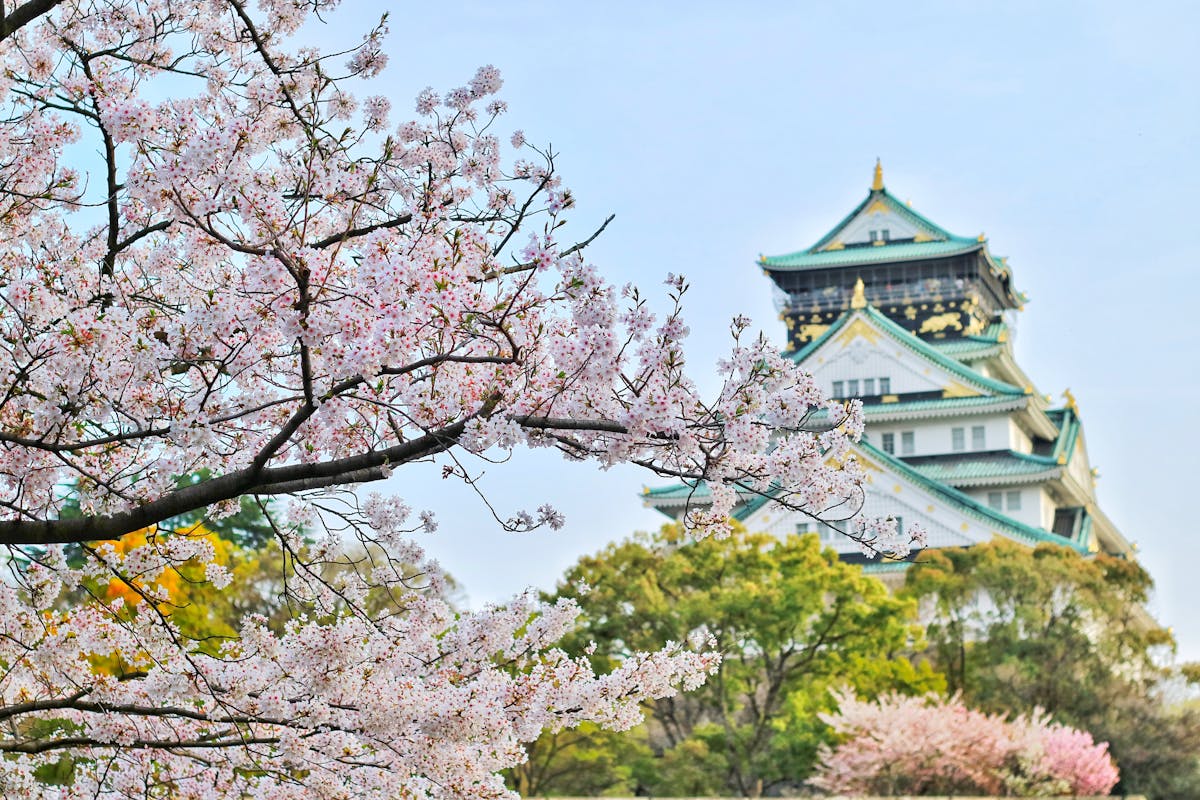
Osaka Castle framed by cherry blossom in spring
Photo via Pexels. Osaka Castle in cherry-blossom season — Osaka is one of the cities on the 33-night route discussed below.

In short

One travelling couple posted that their budget for 33 nights in Japan is £5,885. That works out at £178.33 per night — or £89.17 per person per night if the budget covers two people, which the post does not explicitly state. The post itself publishes no itemised breakdown, so the headline cannot be treated as a ready-made budget. It is a useful starting point for a conversation about long-trip costs, not a price list. This article audits the headline, converts it at the 26 October 2026 exchange rate, and tests it against this blog's own costed Kyushu hotel bookings for November–December 2026.

Quick facts

ItemDetail
Headline claim£5,885 for 33 nights in Japan
SourceInstagram post by @somewhere_with_becca, 22 October 2026 (339 likes, 169 comments, verified via the Instagram connector on 26 October 2026)
Per night£178.33 (whole budget) or £89.17 per person if split between two travellers
In yenAbout ¥1,235,732 in total; about ¥37,446 per night (£1 = ¥209.98, yfinance via OpenBB, 26 October 2026 close, delayed data)
What the post does NOT sayNo breakdown of accommodation, transport, food or activities; no statement on whether flights are included or whether the figure is per person or for the couple
VerdictPlausible as an all-in daily-spend figure for a slow, long trip — but do not copy it as your budget without building your own lines

What the post actually says — and what it does not

The post, published on 22 October 2026 by a Yorkshire couple on a year of travel, says they are heading to Japan the next day and asks followers for must-do recommendations and food tips, including lesser-known places without queues. Its one hard number is the budget line: £5,885 for 33 nights, with the authors hoping to save some of it along the way.

That is all the post states. Its caption contains no split between hotels, trains, food and sightseeing, no route with night counts, and no statement about flights. Commenters add colour — one says the amount will "100% cover" 33 days, another recommends the free Tokyo Metropolitan Government Building observatories over paid viewpoints — but comments are other travellers' opinions, not the authors' budget.

This matters because the most common way a headline budget misleads is not that it is false. It is that readers fill in the missing lines themselves: they assume flights are included, or that the figure is per person, or that every night costs the same. None of those assumptions is in the post.

The maths, done properly

£5,885 divided by 33 nights is £178.33 per night. That single division is the only arithmetic the headline supports on its own.

Two readings are possible, and the article keeps both open because the post does not settle them:

  • If £5,885 is the total for the trip: £178.33 per night covers everything the travellers spend in Japan — beds, trains, food, tickets and local travel — for the whole party combined.
  • If it is a couple travelling together on one shared budget: the same total is £89.17 per person per night. That is a very different daily figure, and it is the reading most relevant to a solo traveller comparing notes, because a solo traveller cannot split a hotel room or a meal bill with a partner.

At the 26 October 2026 rate of £1 = ¥209.98 (yfinance via OpenBB, daily close, delayed data), the total is about ¥1,235,732, or about ¥37,446 per night (about ¥18,723 per person per night on the shared-budget reading). Exchange rates move; a budget built in pounds and spent in yen should be re-checked at booking time, not treated as fixed.

Reality check: this blog's own booked Kyushu leg

The strongest test of a headline figure is a real booking list. This blog's own Kyushu hotel bookings for 24 November to 2 December 2026 — eight nights across five cities — are:

StayNightsCost
Fukuoka2¥18,900 (¥18,500 + ¥400 tax, payable at hotel)
Nagasaki1¥6,812 paid
Kumamoto2¥6,480
Kagoshima2¥6,400
Kokura1¥8,295 (breakfast included)
Total8¥46,887

One caveat on these rates: they include the Kyushu earthquake recovery discount (九州ふっこう応援割, the recovery support discount for Kyushu tourism). Two of the stays above were booked with recovery coupons — ¥18,500 off the Fukuoka stay and ¥9,600 off the Kagoshima stay — so the ¥5,861 average below is a discounted average, not a walk-in market rate. Travellers booking without the discount should expect higher nightly prices.

That is an average of ¥5,861 per night — about £27.91 at the same 26 October rate. Accommodation in Kyushu, booked this way, costs far less than £178.33 a night. But that comparison is deliberately unfair in one direction: the Kyushu figure is beds only, while the £5,885 headline, whatever it includes, is presented as a trip budget. Add transport and the gap narrows fast. This blog's own Kyushu transport lines include a JR Kyushu All Kyushu 7-day pass at ¥25,000 bought online (standard price ¥26,000 at the station, so the online price saves ¥1,000 — reconfirm at booking, as promotions change), a Hankyu Ferry crossing from Shinmoji to Kobe at ¥10,890, and a Gunkanjima tour at ¥4,550 cash on the day. The pass alone is about £119.06; the ferry about £51.86.

The lesson is not that one figure is wrong. It is that "per night" only means something when you say per night of what. A beds-only average and an all-in trip budget are different quantities, and comparing them directly is the single easiest budgeting mistake in Japan travel writing.

Why a 33-night trip can be cheaper per night than a 7-night trip

  • Fewer expensive moving days. A traveller who stays eight nights in one city pays for one arrival and one departure. A traveller who moves every two days pays for intercity trains and the premium of booking each new bed at short notice.
  • Slow days are cheap days. A day spent walking a neighbourhood, visiting a free observatory or a shrine, and eating at a local restaurant costs a fraction of a day built around paid attractions and long-distance day trips.
  • Free viewpoints beat paid ones. The Tokyo Metropolitan Government Building's 45th-floor observatories (202 metres up, in Shinjuku) are free to enter, according to the Tokyo Metropolitan Government's own observatory page.
  • Discounts stack on longer stays. Regional rail passes, like the JR Kyushu pass above, only pay off when the travel inside their validity window is dense enough.

None of this makes Japan "cheap". It makes the average cheaper, because the expensive days (arrival, long-distance moves, big-ticket attractions) are diluted by many ordinary days.

Common mistakes when copying a headline budget

  1. Treating a total as a breakdown. If the post does not say how much went on hotels, do not invent the split. Build your own lines instead.
  2. Assuming flights are included. International flights to and from Japan can exceed a whole week's in-country spending. Until a budget says flights are in, assume they are out.
  3. Comparing beds-only prices with all-in totals. A £28-a-night hotel average does not disprove a £178-a-night trip budget, because the second figure carries food, transport and activities.
  4. Ignoring the couple-versus-solo question. A shared budget halves the per-person daily figure. Solo travellers should double-check whether a quoted figure is per person before using it.
  5. Fixing the exchange rate in your head. At ¥210 to the pound, ¥10,000 is about £47.60; at ¥190, it is £52.60. On a £5,885 trip, a 10% rate move is nearly £590 of difference. Check the rate at booking time.
  6. Forgetting what is not on a rail pass. The JR Kyushu pass does not cover the Sanyo Shinkansen between Hakata and Kokura, which is run by JR West — that leg needs a separate ticket. Every regional pass has an edge like this; read the coverage map before buying.

A worked example: building your own long-trip budget

Instead of copying £5,885, build the same shape of budget from your own lines. Using this blog's Kyushu figures as an illustration only:

LineIllustration (Kyushu leg)In pounds (26 Oct 2026 rate)
Accommodation, 8 nights¥46,887£223.29
JR Kyushu All Kyushu 7-day pass (online)¥25,000£119.06
Ferry, Shinmoji to Kobe¥10,890£51.86
Gunkanjima tour¥4,550£21.67
Subtotal before food, local travel and activities¥87,327£415.88

That subtotal is about £51.99 per night over eight nights — before a single meal, metro ride or museum ticket. Add a realistic daily food-and-local-travel allowance and the figure climbs toward, but does not automatically reach, the £178.33 headline. Whether it reaches it depends on your pace, your city mix and your appetite for paid attractions — which is exactly why a headline without a breakdown cannot be copied.

Frequently asked questions

Is £5,885 for 33 nights in Japan realistic?

As an all-in daily figure of £178.33 a night, yes, it is plausible for a slow trip — particularly if it is a shared budget for two people, which would make it £89.17 per person per night. As a copy-and-paste budget, no: the post publishes no breakdown, so you cannot tell what it includes.

Does the £5,885 include flights?

The post does not say. Until the authors confirm, assume flights are excluded, and budget for them separately.

How much is £5,885 in yen?

About ¥1,235,732 at £1 = ¥209.98, the yfinance rate via OpenBB on 26 October 2026 (daily close, delayed data). Re-check the rate when you book, as it moves.

What does a night in a Kyushu hotel actually cost?

On this blog's own bookings for late November 2026, the average is ¥5,861 (about £27.91) per night across five hotels — but that is accommodation only, not food, transport or activities.

Is a rail pass always worth it for a long trip?

No. A JR Kyushu All Kyushu 7-day pass costs ¥25,000 online (¥26,000 standard), and it only pays off if the trains you ride inside its seven days would cost more bought singly. Slow travellers with few long-distance days may do better paying per ride.

What is the cheapest way to get a great Tokyo view?

The Tokyo Metropolitan Government Building observatories on the 45th floor are free, according to the Tokyo Metropolitan Government. Check which observatory (north or south) is open on your day, as they keep different hours and closure days.

Sources

  • Instagram post by @somewhere_with_becca, 22 October 2026: instagram.com/p/DezNeYCEgvK/ (caption and comment counts verified via the Instagram connector on 26 October 2026; the caption states the £5,885 / 33-night budget and contains no itemised breakdown)
  • Exchange rate: yfinance via OpenBB on the author's VPS, GBP/JPY daily close, 26 October 2026 (£1 = ¥209.98; free data, delayed)
  • JR Kyushu Rail Pass prices: Japan Guide, "Rail Passes in Japan": japan-guide.com/e/e2357.html (All Kyushu 7-day ¥26,000 standard; ¥1,000 online discount widely reported — reconfirm at booking)
  • Tokyo Metropolitan Government Building Observatories (official): english.metro.tokyo.lg.jp (admission free)
  • This blog's Kyushu bookings: the author's own booking records for five cities, November–December 2026 (hotel names withheld)

Monday, 19 October 2026

UK Data Analyst Jobs: £41,700 Skilled Worker Visa Threshold

Laptop screen showing an analytics dashboard with bar charts and line graphs
An analytics dashboard on a laptop — the kind of screen London's data analysts live on. Photo: Luke Chesser / Unsplash (free stock).

Last updated: 19 October 2026

I work as a data analyst in London, so when a viral Instagram reel landed this week with a creator who had manually reviewed 50+ London data jobs and filtered every single one against the £41,700 Skilled Worker salary threshold, I did what any analyst would do: I checked his maths. The threshold is real — and almost everyone discussing it online is missing the second half of the rule, the half that actually decides applications.

The reel that started this

On 12 October 2026, Instagram creator @theakashjindal (83K followers) posted a "Job Series – London – Data" reel in which he says he reviewed more than 50 London data jobs and kept only those above the £41,700 Skilled Worker visa salary threshold. Two council roles made his shortlist:

  • Richmond & Wandsworth Councils — Public Health Data Analyst, £45,000–£54,000 (12-month contract, closes 1 November 2026)
  • Barnet Council — Public Health Analyst, £44,000–£48,000 (permanent, "grads welcome")

A second reel this week (@ruhaifa.altamimi, 16 October, 64K followers) took the same approach with four remote UK junior data analyst roles paying £42k+, including Haystack (London, 4 days remote), North Arc Technologies (UK, part-time), CPI Local (Maidenhead) and Reed (Data Ops).

The engagement is real (49 likes / 51 comments on the first, 260 likes / 61 comments on the second — modest numbers, but the comments are full of genuine job-seekers). The £41,700 figure is also real — I verified it against GOV.UK. What neither reel explains is that £41,700 is only the first of two tests, and for data roles, the second test is the one that usually binds.

Quick facts

DetailAnswer
General Skilled Worker salary threshold (2026)£41,700/year
The actual rule£41,700 or the occupation's "going rate" — whichever is higher
Discounted floor (new entrants, some PhD/Graduate routes)£33,400/year
Going rate: SOC 2133 (IT business analysts — includes data engineers)£54,900/year
Going rate: SOC 2115 (social & humanities scientists — includes public health analysts)£40,400/year
Featured verified listingRichmond & Wandsworth Public Health Data Analyst, £44,982–£54,507, 12-month fixed term, closes 1 November 2026
Salary reference in HKD£1 ≈ HK$10.44 (19 October 2026, yfinance via OpenBB)

The £41,700 rule, explained

The Skilled Worker visa requires a minimum salary that is whichever is higher of £41,700 per year or the published "going rate" for the specific occupation code — a dual test, not a single number. If the salary is lower, some applicants may still qualify under discounted options (new entrants under 26, recent graduates, relevant PhDs) with a floor of £33,400 per year.

GOV.UK's own worked example makes the point neatly: a salary of £42,000 against a going rate of £45,000 fails the test, because the going rate is higher. £42,000 clears the famous £41,700 — and fails anyway.

All of the above is from the official GOV.UK "Skilled Worker visa" page, checked on 19 October 2026. Many immigration blogs and social posts still quote the old £38,700 figure from before the increase — always verify against GOV.UK directly.

The part everyone misses: your SOC code changes the bar

Here is the analyst's lens on the reel's shortlist, using the going-rates table in GOV.UK's Immigration Rules Appendix Skilled Occupations (checked 19 October 2026):

SOC 2020 codeOccupationRelated job titles (examples)Going rate (SW options A & D)Effective bar for sponsorship
2133IT business analysts, architects and systems designersData engineers, data architects, IT business analysts£54,900£54,900 (going rate binds)
2134Programmers and software development professionalsSoftware developers, programmers£54,700£54,700 (going rate binds)
2115Social and humanities scientistsPublic health analysts, GIS analysts, epidemiologists£40,400£41,700 (general threshold binds)

Notice what this does to the reel's star listing. The Richmond & Wandsworth Public Health Data Analyst pays £44,982–£54,507. If the employer were to sponsor it under SOC 2133 (the code whose job titles include data engineers), the entire band falls short of the £54,900 going rate — the whole band, not just the low end. If sponsored under SOC 2115 (whose titles explicitly include public health analysts), the full band clears £41,700 comfortably.

Two caveats, because this is exactly where armchair analysis goes wrong:

  1. Which code applies depends on the actual duties, and the sponsor — the employer — assigns the code when issuing the Certificate of Sponsorship. This is an illustration of why the code matters, not a ruling on the listing.
  2. Neither council advertises sponsorship for these roles. Clearing a salary filter and being sponsorable are different things; the employer must hold a Home Office sponsor licence. The Richmond & Wandsworth listing (verified on the councils' own jobs site, 19 October 2026: £44,982–£54,507, full time, minimum 60% office-based — three days a week in the office) says nothing about visa sponsorship. Check the register of licensed sponsors before assuming.

I could not independently verify the Barnet Council listing (£44,000–£48,000, permanent, "grads welcome") on Barnet's official jobs site — it appears in the reel only. Treat it as a lead, not a confirmed fact. The same applies to the four £42k+ "remote" roles in the second reel, which are only visible as screenshots behind a "comment SKOOL" lead-generation funnel. Always verify a job on the employer's own jobs page before acting on it.

What the salaries mean in HKD

For Hong Kong readers weighing a London move, using the GBP/HKD rate of 10.444 (yfinance daily close, 19 October 2026, via OpenBB):

GBP salary≈ HKD per year≈ HKD per month
£41,700 (general threshold)HK$435,500HK$36,300
£44,982 (Richmond & Wandsworth band low)HK$469,800HK$39,100
£54,507 (Richmond & Wandsworth band high)HK$569,300HK$47,400
£54,900 (SOC 2133 going rate)HK$573,400HK$47,800

The £41,700 threshold is roughly HK$36,300/month — a useful anchor if you're comparing a London offer against Hong Kong salaries. Remember the dual test: it's the floor, not the target.

Five mistakes applicants make

  1. Treating £41,700 as the only number. The going rate for your SOC code can be higher — and for tech-adjacent codes like 2133 it usually is. Check the going-rates table for your specific code.
  2. Assuming a listing above £41,700 is sponsorable. The employer needs a sponsor licence, and many public-sector and junior postings never offer sponsorship. Check the licensed-sponsor register and ask the employer directly.
  3. Ignoring which SOC code the role would be coded under. A "data analyst" title can plausibly map to 2133 or 2115, and the bar differs by £14,500. Ask the sponsor which code they will use on the Certificate of Sponsorship.
  4. Trusting screenshot job reels at face value. The Barnet listing and the four £42k+ remote roles in these reels couldn't be independently verified this week. Re-verify on the employer's own jobs page — screenshots go stale fast, and "comment to get the link" funnels are marketing, not recruitment.
  5. Forgetting the dual test on contract roles. A 12-month contract at £45,000 still has to clear the same bar as a permanent role. Contract length doesn't lower the salary requirement.

FAQ

What is the minimum salary for a UK Skilled Worker visa in 2026?
£41,700 per year for most applicants — or the "going rate" for the occupation code, whichever is higher. Discounted routes (new entrants, some PhD holders, Graduate-route switchers) have a floor of £33,400. Source: GOV.UK Skilled Worker visa page, checked 19 October 2026.

Is £41,700 enough to sponsor a data analyst in London?
It depends on the SOC code. Under SOC 2133 (IT business analysts — includes data engineers), the going rate is £54,900, which is the binding bar. Under SOC 2115 (includes public health analysts), the going rate is £40,400, so the £41,700 general threshold binds instead.

Does a job advert above £41,700 mean the employer sponsors visas?
No. The employer must be approved by the Home Office and appear on the register of licensed sponsors. Neither the Richmond & Wandsworth nor the Barnet adverts in this week's viral reel mention sponsorship — ask before applying on that basis.

When does the Richmond & Wandsworth Public Health Data Analyst role close?
1 November 2026. It's a 12-month fixed-term, full-time role at £44,982–£54,507, with a minimum of 60% office-based working (three days a week in the office), per the councils' official jobs site.

Can a junior data analyst get sponsored in London?
Only if the employer is a licensed sponsor and the salary clears the dual test for the chosen SOC code. Junior bands (£42k–£48k) sit below several tech going rates, which is exactly why the code selection matters. Public-sector analyst roles at £44k+ are the most realistic junior-ish sponsorable tier — but only with a willing, licensed employer.

The bottom line

@theakashjindal's reel is the best kind of job content: a real filter applied to real listings, with names and numbers you can check. But £41,700 is the beginning of the visa maths, not the end of it. The going rate for your SOC code — £54,900 for data-engineer-type codes under 2133, £40,400 for public-health-analyst-type codes under 2115 — is the number that actually decides most data-role applications. Start there, verify everything on GOV.UK, and treat screenshot reels as leads, not offers.

By The Gilbert Experience — About this blog.

Sources: GOV.UK Skilled Worker visa overview and Appendix Skilled Occupations (going rates), both checked 19 October 2026; Richmond & Wandsworth Councils jobs site, checked 19 October 2026; GBP/HKD rate 10.444, yfinance daily close 19 October 2026 via OpenBB. Engagement figures for the Instagram reels are rough scrape-time signals, not audited data.

Monday, 12 October 2026

2026日本紅葉預測:紅葉幾時紅,原來係一條數學式

2026日本紅葉預測:紅葉幾時紅,原來係一條數學式

京都紅葉:寶塔與火紅楓葉

圖片來源:Pexels

每年一到10月,香港人就開始心郁郁:今年去日本睇紅葉,幾時去先啱?KOL個個唔同講法,有人話11月尾京都,有人話今年遲兩星期。其實紅葉預報唔係靠估——背後係一條數學式。等我用data analyst嘅角度,同你拆解2026年日本紅葉點樣預測,同埋今年有咩特別。

紅葉預報點做?兩條數話你知

第一條數:8°C/3星期定律

日本氣象協會(tenki.jp)講到明:當每日最低氣溫跌穿8°C,紅葉就開始轉色;由跌穿嗰日起計,大約3星期就會全紅。換句話說,你睇住個溫度計,連續幾晚低過8°C,就開始倒數21日。

第二條數:靚唔靚係另一回事

轉色時間係一回事,顏色靚唔靚係另一回事。三個條件:①日頭夠陽光(製造花青素)②夠水③日夜溫差大,清晨跌穿5–6°C有助轉色。今年9月本州陽光少咗,關東啲葉就麻麻;北海道9月夠曬,話係近年最靚。

2026年有咩唔同?體感最熱 ≠ 統計最熱

今年夏天大家都覺得熱到癲:據日媒報導,7月21日日本首次觀測到「酷暑日」(≥40°C嘅新分類,氣象廳2026年4月先至新設;40°C以上高溫本身唔係史上第一次),靜岡縣濱松市天龍區佐久間觀測站7月23日錄得41.1°C(山區站;市區站同日40.2°C),全國連續5日(7月21–25日)有地方破40°C,氣象廳話係觀測史上首次,多個觀測站破咗紀錄。但氣象廳數字話你知:2026年夏天全國平均只係高咗+1.02°C,史上排第5——2025年(+2.36°C)先係真正第一。人嘅記憶信唔過,data先係老實。

對紅葉嘅影響有三樣:秋天偏暖,10月下旬之後嘅紅葉整體偏遲;9月少陽光,部分地區顏色打折扣;九州今年夏天又熱又少雨,葉況可能麻麻哋。

富士山與紅葉

圖片來源:Pexels

2026見頃時間表(JMC 10月1日第二報)

城市預測見頃vs 平均年
札幌11月4日遲7日
仙台11月24日遲3日
東京11月28日差唔多
名古屋12月2日遲4日
京都12月11日遲6日 ⚠️
大阪12月4日遲3日
福岡12月7日遲6日
鹿兒島12月10日早5日

銀杏(黃葉)多數比紅葉早1–2星期(仙台等少數地區例外)。

兩個最值得留意嘅數字:

  • 京都12月11日,比平均遲6日——11月尾去京都唔係遲,係早!好多人以為11月尾係尾水,今年反而係早水。(註:12月11日係JMC對氣象廳標本木嘅預測;各名所實際見頃或有先後。)
  • 鹿兒島係全日本唯一早過平均嘅大城市(早5日),12月10日見頃。

紅葉池畔古寺

圖片來源:Pexels

香港人最常問(social media實況)

過去一個月IG/FB/Threads,香港台灣網民問得最多:

  1. 「11月10日去上高地會唔會太遲?」——上高地係山區,10月中下旬就見頃,11月真係太遲。記住:海拔每高100米,氣溫低0.6°C,山區紅得早,平地紅得遲。
  2. 「京都11月尾係咪尾水?」——今年唔係。官方預測12月11日先係peak,11月尾去啱啱好,甚至偏早。
  3. 「12月去九州仲有冇紅葉?」——有,而且係正場。福岡12月7日、鹿兒島12月10日見頃,12月初去九州先係timing之王。仲有九州復興折扣(九州ふっこう応援割)最高慳一半,book酒店前記得check。
  4. 「銀杏定紅葉靚啲?」——銀杏多數早1–2星期,想一次過睇兩樣,11月尾去東京/大阪就啱。
  5. 「今年團費貴咗?」——係。旅行社紅葉團今年加價5–10%,早報早著。

自己動手預測:3步DIY

唔使等預報,你都可以自己估:

  1. 上tenki.jp或者Weathernews,睇目的地未來最低氣溫
  2. 連續幾晚跌穿8°C嗰日,mark低
  3. 加21日——嗰個星期就係見頃

當然,官方預報會再修訂(JMC 11月初第三報),出發前記得check最新。

最後:下個世紀可能冇紅葉睇?

據報導引述Weathernews嘅長期推算:如果暖化按最壞情況走,紅葉見頃會推遲到12月下旬,長崎甚至被標籤為「紅葉困難」地區。紅葉唔係必然,係氣候送嘅禮物——且睇且珍惜。


資料來源(2026年10月12日查閱):

預報會再修訂(JMC 11月初第三報、Weathernews 10月尾第三報),出發前請查最新官方預報。

Beginner Guitar Buying Guide UK: Try Before You Buy

Acoustic and electric guitars hanging on a white wall in a guitar shop
Photo: Brunxs / Pexels (free stock)

Last updated: 19 October 2026

Johnny Marr sold more than 80 of his guitars — plus amps, equipment and posters (111 lots in total) — at Christie's last month for £3.65 million. A few weeks later he sat down on Later… with Jools Holland (BBC Two, Sunday 11 October 2026, series 69 episode 1) to talk about the sale and his new album The Age Of Everything. Clips from the appearance have been doing the rounds on social media this week — and they've got guitarists talking about how to buy a guitar properly.

Marr is arguably Britain's most respected guitar collector-player: the man whose playing defined The Smiths, who has loaned and gifted guitars to everyone from Noel Gallagher to Ed O'Brien. So when buying advice comes from him, beginners should listen. Here is what he has actually said — verified, with sources — turned into a practical UK beginner's buying guide.

Price note: All UK prices below were checked on 12 October 2026 at named retailers. Guitar prices move frequently, so treat them as ballparks and re-check the retailer before you buy.

Marr's guitar-buying rules at a glance

RuleWhat Marr actually said/didSource
Never buy on an empty stomach"You should never buy a guitar with an empty stomach" — said to Noel Gallagher over a sandwich before buying a 9-pickup StratChristie's promo video, reported by Guitar.com
Try it in personBrowsed a Doncaster guitar shop in person, played the oddball Strat, walked away, ate, then decided (£900 — "£100 for each pickup", his brother's quip)europesays.com / Guitar.com
Every purchase must earn its keep"I had a rule that if I bought a guitar, I would have to write a song on it to justify the expense"Marr's Guitars book, via Yahoo Entertainment
Own a capo"I almost use capos too much… more often than not I'm using capos" — G7th on electric, Jim Dunlop on acousticGuitar World interview

Why everyone's talking about Marr's guitars right now

On 17 September 2026, Christie's London sold "Marr's Guitars: The Johnny Marr Collection": 111 lots — about 80 of them guitars — fetching £3,649,280, more than three times the pre-sale estimate. Bidders came from 34 countries and the sale ran for over five hours (The Gazette/PA; Guitar.com).

The headline lots show what provenance does to prices:

  • 1982 Rickenbacker 330 Jetglo — the Smiths-era jangle machine, heard on "This Charming Man" and "What Difference Does It Make?" — sold for £358,400. Marr once lent it to Noel Gallagher for the Definitely Maybe sessions; it appeared on the cover of Oasis's "Supersonic".
  • 1960 Cherry Red Gibson ES-355 — the guitar behind "Heaven Knows I'm Miserable Now" — sold for £204,800.
  • 2017 Fender Johnny Marr Signature Jaguar (Comet Sparkle) — used on the No Time To Die Bond theme sessions — sold for £46,080, nearly four times its estimate, after a five-minute bidding war.

Notably, Marr had the estimates set so that "someone who's got a regular job in Glasgow, who fancies a good guitar but wants one of mine, will be able to afford it" (Guitar.com), and the hammer price of 31 lots went to the Guide Dogs for the Blind Association and the National Autistic Society. He's said he didn't want his studio turning into a museum — he'd rather the guitars get played.

You don't need £358,400 to start. Here's how to apply Marr's approach at beginner prices.

Rule 1: Try before you buy

The sandwich story is funny, but the serious point is underneath it: Marr went to a physical shop, played the guitar, walked away, thought about it, then bought. That's the single best piece of buying advice for a beginner, and here's why it matters more for your first guitar than for your tenth:

  • Necks differ. Nut width, neck profile and fretboard radius change how a guitar feels in your hand. Two guitars of the same model can feel different — wood varies.
  • Weight and balance. A guitar that looks great online can feel like a boat anchor after ten minutes standing up.
  • Action and fret buzz. A cheap guitar with a good setup plays better than an expensive one with a bad one. In a shop you can feel whether the strings sit comfortably or fight you.
  • Tuning stability. Strum hard for a minute in the shop; if it won't stay in tune, walk away.

How to do this in the UK in 2026: order online for click-and-collect at a store with a demo room (Andertons in Guildford, for example, lets you try items in store), or just walk into your local independent shop. Play the exact guitar you'll take home, not the display model if you can avoid it. Most UK retailers also offer 14-day returns on online orders — check the store's policy before you buy, and keep the box until you're sure.

Rule 2: Own a capo

Marr told Guitar World: "I almost use capos too much. I'm trying to wean myself off 'em somewhat… more often than not I'm using capos." On electric he uses G7th capos; on acoustic he reaches for his old Jim Dunlops. He even notes that guitars "sing out really well" with a capo on the 4th fret.

A capo clamps across the strings and raises the pitch of the whole guitar — put it on the 2nd fret and your familiar open G, C and D shapes suddenly play in A. For a beginner this is a superpower: you can play along with songs in awkward keys without learning a single barre chord yet.

What a capo costs in the UK (checked 12 Oct 2026):

CapoApprox. UK priceNotes
G7th Nashville (spring)~£19Simple spring design Marr-style players like
Jim Dunlop Trigger (curved)£25.99 at AndertonsThe brand Marr uses on acoustic
G7th Performance 3~£41–£53Squeeze-to-set tension control; premium pick

The Currys Yamaha F310 starter pack (£189) even includes a capo in the box — which tells you how essential the industry considers it.

What a first guitar costs in the UK (2026)

Forget the auction prices. A genuinely good beginner guitar in the UK starts well under £300. Two proven routes:

Electric routeAcoustic route
GuitarSquier Affinity Stratocaster — £219–£249 at AndertonsYamaha F310 — ~£139 (Amazon UK), or the starter pack at £189 (Currys, includes gig bag, strap, capo and extras)
Step-up option—Yamaha FG800 (solid spruce top) — £299 at Andertons
CapoJim Dunlop Trigger £25.99Included in the £189 F310 pack, or ~£19–£26 separately
Typical total~£255–£285~£165–£215

Worked example — a £300 starter budget, electric route: Squier Affinity Stratocaster at £239 + Jim Dunlop Trigger capo at £25.99 = £264.99, leaving about £35 for a strap, spare strings and picks. Acoustic route: Yamaha F310 at £139 + capo at £25.99 = £164.99 — comfortably under £200 with room for a gig bag and a tuner.

Why these picks? The Squier Affinity is the default recommendation of nearly every UK guitar shop for a first electric — proper Fender-scale feel, decent hardware, holds its value second-hand. The Yamaha F310 is the best-selling beginner acoustic in the UK for a reason: consistent build, comfortable neck, and it actually stays in tune. The FG800 adds a solid top (better tone that improves with age) for players who know they'll stick with it.

Common mistakes beginners make

  1. Buying purely on looks. The sunburst that photographs beautifully can have a neck like a baseball bat. Marr's sandwich rule exists because excitement is a bad advisor — play first, decide later.
  2. Skipping the setup. A £30–£50 professional setup transforms a budget guitar. Ask the shop to check the action and intonation before you take it home.
  3. No capo, no tuner. The two cheapest accessories make the biggest difference to whether you keep playing.
  4. Assuming expensive means easier. A £2,000 guitar with high action is harder to play than a £200 one that's been set up well.
  5. Buying the guitar before the habit. Marr's book rule — every guitar must earn a song — is the pro version of a beginner truth: make sure you're playing regularly before you upgrade, not after.

The bigger picture: why Marr sold

It's worth noting what the auction wasn't: a cash-out. Marr has said he'd rather the instruments be played than sit in storage, set estimates ordinary fans could reach, and gave a share of the proceeds to charity. The man who once got his first guitar at age five and has bought instruments for 50 years still plays daily — he just doesn't need 80 guitars to do it. That's the healthiest relationship with gear a beginner can copy: buy fewer, better-chosen instruments, play them hard, and pass them on.

FAQ

Did Johnny Marr really advise beginners on Jools Holland?
Marr appeared on the series 69 premiere of Later… with Jools Holland (BBC Two, 10pm, Sunday 11 October 2026), discussing his new album The Age Of Everything and the Christie's auction. Clips from the appearance circulated widely on social media that week. His most-quoted buying advice — "never buy a guitar with an empty stomach" — comes from a Christie's promo video with Noel Gallagher, reported by Guitar.com and others.

How much should a beginner guitar cost in the UK?
Around £140–£260 gets you a genuinely good first guitar in 2026: a Yamaha F310 acoustic (~£139) or a Squier Affinity Stratocaster (£219–£249). A solid-top acoustic step-up like the Yamaha FG800 is £299. Prices checked October 2026 at Andertons, Amazon UK and Currys.

Is it OK to buy a guitar online?
Yes — but follow Marr's approach: try the model in a shop first if you possibly can, then buy wherever the price and returns policy are best. Check the retailer's returns window before ordering, and keep all packaging until you're sure.

What capo does Johnny Marr use?
On electric guitar he uses G7th capos; on acoustic he uses his old Jim Dunlop capos, and he's said he puts a capo on the 4th fret more than anywhere else (Guitar World interview).

Why did Johnny Marr sell 80 guitars?
At Christie's London on 17 September 2026, 111 lots from his collection sold for £3,649,280. He's said he didn't want his studio to become a museum and would rather the guitars be played; hammer prices from 31 lots went to the Guide Dogs for the Blind Association and the National Autistic Society.


Prepared by the team at thegilbertexperience.uk. Sources: NME, The Gazette/PA, Guitar.com, Guitar World, SPIN, Andertons, Currys, Amazon UK — full fact-check log kept with this draft.